
- How to create a costume from leftovers
- Materials you may need
- Step-by-step costume ideas
- Tips for personalizing your look
- Final touches and accessories
Transforming what you have lying around into a unique Halloween costume can be both fun and rewarding. First, take a thorough inventory of your home; check closets, the garage, or even craft supplies. Think creatively and remember that the sky’s the limit when it comes to imagination!
Start by categorizing your leftovers. For example, fabrics from old clothes can be re-purposed into capes or skirts, while cardboard boxes can be cut into shields or robot parts. If you have a collection of accessories like hats, scarves, or old jewelry, keep those in mind—they can elevate your look significantly.
Consider the theme or character you want to embody. Are you in the mood for something spooky, like a ghost or witch? Or perhaps quirky, like a character from your favorite TV show? Knowing this can help guide your creative process. Here are a few ideas:
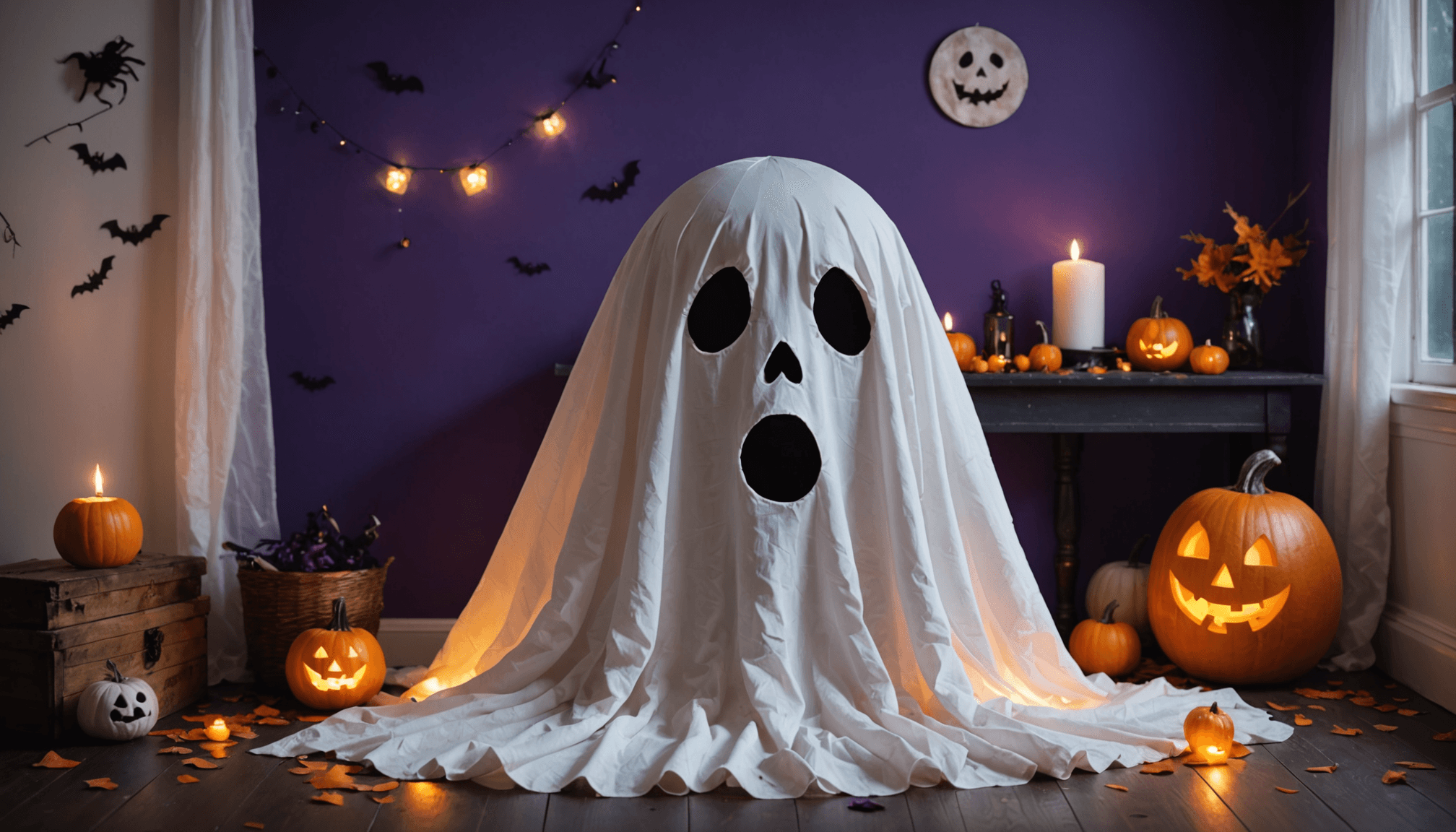
- If you have an old white sheet, a quick ghost costume can be made by simply cutting out eye holes and draping it over yourself.
- An old plaid shirt and jeans can effortlessly transform you into a lumberjack; just add a beanie and carry a (fake) axe made from cardboard.
- Reusable grocery bags can be made into a fun robot costume; simply cut holes for your limbs and head, and decorate with foil or markers for buttons and dials.
- For a more whimsical look, combine leftover fabric scraps to create a patchwork fairy dress or a colorful clown outfit.
Don’t forget: layering pieces is often key to creating depth and complexity in your costume. Use safety pins or a sewing kit to adjust fits and add embellishments as needed. As you work through your materials, think about how you can modify and combine them to create something truly imaginative!
Lastly, remember that your costume doesn’t need to be perfect. Sometimes, the most memorable outfits are the ones that shine because of their creativity and storytelling rather than their precision. So grab those leftovers and let your creativity run wild this Halloween!
Materials you may need
To create a standout Halloween costume from leftovers, it’s essential to gather a variety of materials that can be easily repurposed. Here’s a comprehensive list of supplies you might need, most of which can be pulled from around the house or acquired inexpensively:
| Material | Potential Use |
|---|---|
| Old Clothing | Fabrics for costumes, hats, or accessories |
| Cardboard Boxes | Costume base, props, or armor |
| Fabric Scraps | Patchwork outfits, capes, or masks |
| Craft Supplies (glue, scissors, markers) | Creating details, assembling pieces, and decorating |
| Foil or Plastic Wrap | Robotic features or shiny accessories |
| Old Accessories (jewelry, hats, scarves) | Add-ons to enhance the costume |
| Makeup and Face Paint | Completing the character look |
| Old Sheets or Blankets | Creating flowing costumes or ghostly figures |
| Pillows or Stuffing | For padding costumes or creating shapes |
| Wire Hangers | Structuring costumes or making wings |
Start by exploring your wardrobe and storage spaces. Check for items that you no longer wear but might have a new life as part of a costume. For instance, an oversized shirt can double as a wizard’s robe, while old jeans can be transformed into a pirate outfit with some clever cutting and fraying.
Consider the objects in your kitchen or garage too. Empty containers and packaging materials can serve as props or embellishments, such as painted bottle caps for robot buttons or cereal boxes crafted into accessories.
When sourcing materials, think about their potential and versatility. Items that seem useless at first glance might be the key to elevating your costume. For instance, a thin cardboard tube from wrapping paper can become a staff for a wizard, and old curtains can offer the fabric needed for a more elaborate dress.
The key to a successful Halloween costume from leftovers lies in the ability to reimagine these items. By keeping an open mind and experimenting with what you have, you can create a unique, resourceful outfit that embodies the spirit of Halloween without the need for extra spending.
Step-by-step costume ideas
When brainstorming costume ideas using your leftover materials, it’s beneficial to think outside the box and combine elements creatively. Here are some step-by-step ideas that can easily be achieved with common household items:
- Classic Mummy: Use strips of old white or light-colored clothing. Cut the fabric into long strips, and then wrap them around your body, securing with a bit of tape or safety pins as you go. To add some character, consider smudging on a little brown or gray face paint to create a weathered look.
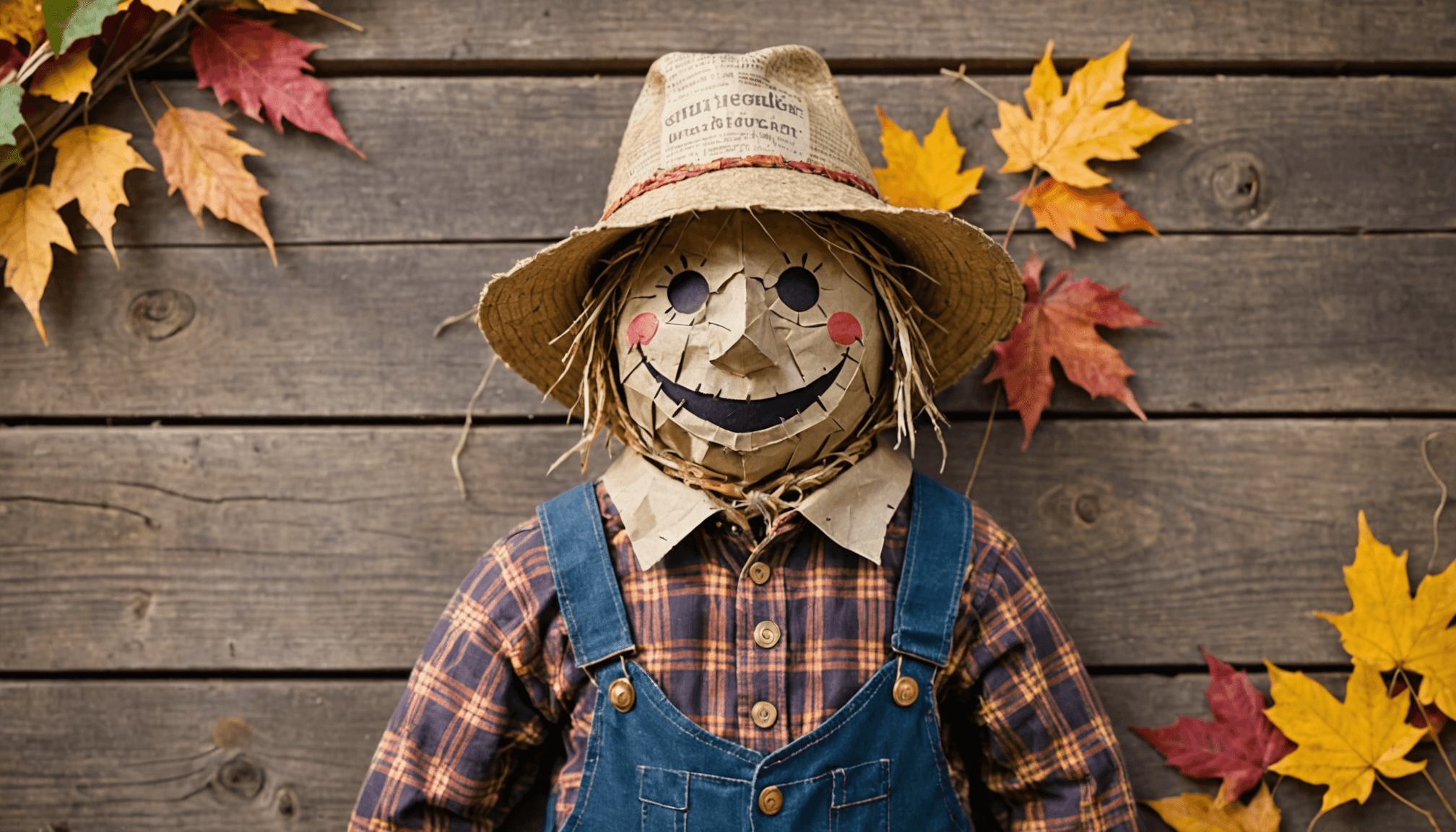
- Scarecrow: For a simple scarecrow ensemble, dig out an old plaid shirt and some overalls or khakis. Stuff some newspaper or old fabric scraps in the shirt and pants to give yourself some volume. Top it off with a straw hat (or make one from a brown paper bag). Use face paint to create a stitched smile on your face, and you’ll look charmingly rustic!
- Superhero: Create your own superhero costume by gathering a tight-fitting shirt and pants or leggings. Use old t-shirts to cut out a logo to sew or glue onto the chest. An old towel can serve as a cape—just knot it around your neck. Finish it off with a mask made from cut-out cardboard or fabric, painted in your chosen colors.
- Pirate: Use an old white dress shirt and a pair of dark pants. You can fray the edges of the shirt and put on a black belt or sash around your waist. A makeshift eye patch can easily be created from a piece of black fabric tied around your head. Consider crafting a cardboard sword for added flair!
- Recycled Robot: For a fun robotic look, gather some boxes and tape them together to form a body. Use aluminum foil to wrap around sections for shiny accents. Paint bottle caps and buttons to embellish and attach to your robot suit. You can even cut armholes so you can move freely and wear gloves to mimic robotic hands.
As you craft these costumes, consider how to personalize them further. Adding simple details—like the character’s favorite accessory or a unique twist—can enhance the overall impact. For instance, if you decide to be a mummy, add a trademark item like a fun toy or a quirky belt to show your personality.
Drawing inspiration from pop culture can also help in creating themed costumes. Consider characters from movies, TV shows, or even memes that resonate with you and your friends. Transforming a leftover outfit into a beloved character can generate lots of conversation and laughter!
The goal is to be resourceful and imaginative. Whether you aim for something spookily traditional or whimsically fun, there’s a world of possibilities waiting to be unearthed from your own leftovers this Halloween!
Tips for personalizing your look
When it comes to personalizing your look, the smallest details can make a world of difference. Start by incorporating unique touches that reflect your personality or interests. For example, if you’re dressing as a witch, add a funky pair of mismatched socks or some colorful hair extensions that stand out against the traditional black robe. This will not only showcase your creativity, but also make your costume feel more authentically yours.
Consider using makeup to enhance your character. A few face paint designs can bring your costume to life; think about splattering faux blood for a zombie look, or using sparkles and bright colors for a fairy. Makeup allows you to express your imagination in ways that clothing alone cannot. Moreover, if you have specific colors associated with a character you’re mimicking, use those to enhance cohesion throughout your outfit.
Accessories can play a significant role in personalizing your costume. Whether it’s a quirky hat, jewelry, or homemade props, these elements can transform a simple outfit into something special. Take the time to craft or gather fun accessories; for example, if you’re going as a pirate, make a treasure map or a small chest filled with faux gold coins to carry around. For a more handmade twist, use nautical-themed scraps and materials to create a one-of-a-kind accessory that ties your costume together.
Adding layers can also help personalize your look. Consider wearing a few different pieces that can be mixed and matched. For instance, layering a colorful undershirt with a loose-fitting jacket and a striking scarf can create a visually appealing ensemble that expresses your unique style. Use leftover fabric to create additional layers, such as capes or aprons, that can enhance the richness of your outfit.
Don’t shy away from using your own hair or headwear creatively. For a casual look, simply tousle your hair and add a headband; or for a more extravagant style, create a whimsical updo adorned with fake flowers, spider webs, or even feathers that match your theme. Hairpieces can be crafted from scraps of your leftover materials, allowing you to add more character without breaking the bank.
Finally, the best personal touches come from storytelling. Share the inspiration behind your costume; tell friends why you chose that particular theme or how you reimagined specific items. Engaging them in the narrative of your outfit elevates the experience and creates memorable moments. As you harness your creativity and imagination, remember to have fun—your costume is a canvas, and your personal flair is the brush that brings it all to life.
“Creativity is allowing yourself to make mistakes. Art is knowing which ones to keep.” – Scott Adams
Final touches and accessories

Adding finishing details to your Halloween costume can elevate your look from good to extraordinary. Think about the accessories you can incorporate to reflect your character’s essence. Perhaps a sparkly wand for a magic-themed outfit, or a plush toy for a whimsical take on a childhood character. Each accessory serves not just as a decorative piece but as a tool to amplify your storytelling.
Makeup plays a crucial role as well. A well-applied face paint can transform your appearance—whether it’s ghostly white for a zombie or vibrant colors to portray a fantastical creature. Experiment with makeup techniques to create shadows and highlights that can accentuate your features or the costume itself. There’s no need to rush; take your time to blend, build, and create layers that can bring your character to life.
Consider your footwear too. Old shoes can add character—a pair of worn out boots for a rugged explorer or sandals for a relaxed beach look. If your costume allows, you can even customize your shoes with decorations made from leftovers. For instance, add fabric scraps or paint to give them a new look that matches your entire ensemble. If you don’t have anything suitable, borrowing or swapping with friends can widen your options without expense.
Don’t overlook the power of layering. Adding layers can define your costume more clearly, creating depth, and enhancing visual interest. For example, incorporating a lightweight scarf or shawl can soften hard lines while providing warmth on a chilly Halloween night. You might also consider wearing a fun undergarment that can peek through your outfit for an unexpected pop of color.
Finally, embrace tidbits of personal anecdotes or icons from your life. Perhaps a favorite pin or a meaningful piece of jewelry can be incorporated into your costume. This not only personalizes your look but can also spark conversations with others who share similar interests or backstories. The key lies in inviting those who see your costume to engage in your narrative, creating connections through creativity and imagination.
- What materials can I use for final touches on my costume?
- You can enhance your costume with various materials including old jewelry, fabric scraps, makeup, hats, and even kitchenware for props. Think creatively; everyday items can serve unique purposes!
- How can I use makeup effectively?
- Makeup can create special effects that bring your character to life. Experiment with face paint, eyeliner, and even special effects makeup to highlight the features of your costume, like dark circles for under-eye effects or glitter for a magical touch.
- Should my accessories match my costume theme?
- While it’s beneficial for accessories to complement your costume, don’t shy away from being eclectic! Sometimes a contrasting accessory can create an interesting twist and make your outfit stand out even more.
- How can I personalize my costume?
- Incorporate personal elements like favorite colors, items that tell a story, or accessories that reflect your hobbies or interests. This adds uniqueness and depth to your costume.
- What are some easy DIY accessories I can make at home?
- Consider creating accessories from leftover materials: a crown from cardboard and foil, a wand from a stick embellished with ribbons, or arm bands from fabric scraps. All can be done quite easily with minimal supplies!
- Can layering really change the overall look of my costume?
- Absolutely! Layering adds complexity and visual interest. Using different types of clothing—like a colorful undershirt or a flowing cape—can significantly enhance your overall look.
- How important is my hair style in completing the costume?
- Your hairstyle can play a significant role in showcasing your character. Consider using wigs or styling your hair in a way that complements your costume. Creative hair additions, such as hats or fun clips, can also add flair!


Leave a Reply