
- Spooky inspiration for DIY costumes
- Essential materials for crafting
- Step-by-step instructions for popular looks
- Tips for customization and embellishment
- Ideas for group and family costumes
When diving into the world of DIY Halloween costumes, inspiration can come from just about anywhere. Consider classic horror films, fairy tales, or even current pop culture phenomena. Each year, a plethora of themes arises, and it’s vital to tap into that creativity to create a look that will stand out. Here are some *spooky* ideas that can transform everyday items into haunting ensembles.
Classic Horror Icons: Delve into the realm of timeless monsters like vampires, werewolves, and witches. A simple black dress, paired with a dramatic cape and fangs, can instantly channel a vampire vibe, whereas faux fur and a flannel shirt can quickly assemble a werewolf look. You could even cover your face with subtle makeup or masks to add to the eeriness.
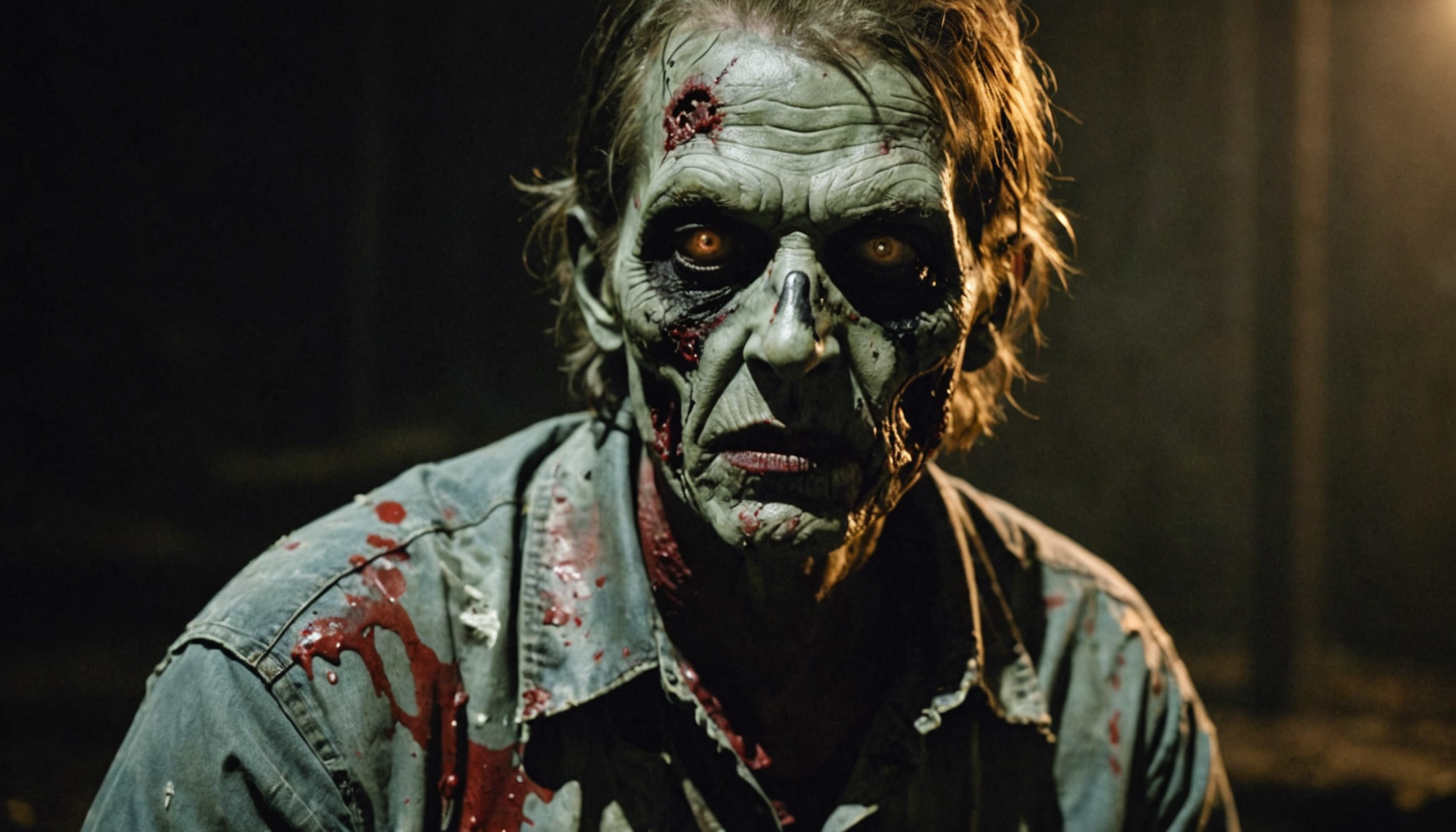
Gory Zombie: The zombie trend continues to rise, and it offers endless possibilities. Find an old pair of clothing—preferably something you don’t mind distressing—and use scissors to create a tattered look. Use face paint or a tutorial online to master the undead makeup; be sure to use shades of gray and white, accented with fake blood for an authentic touch.
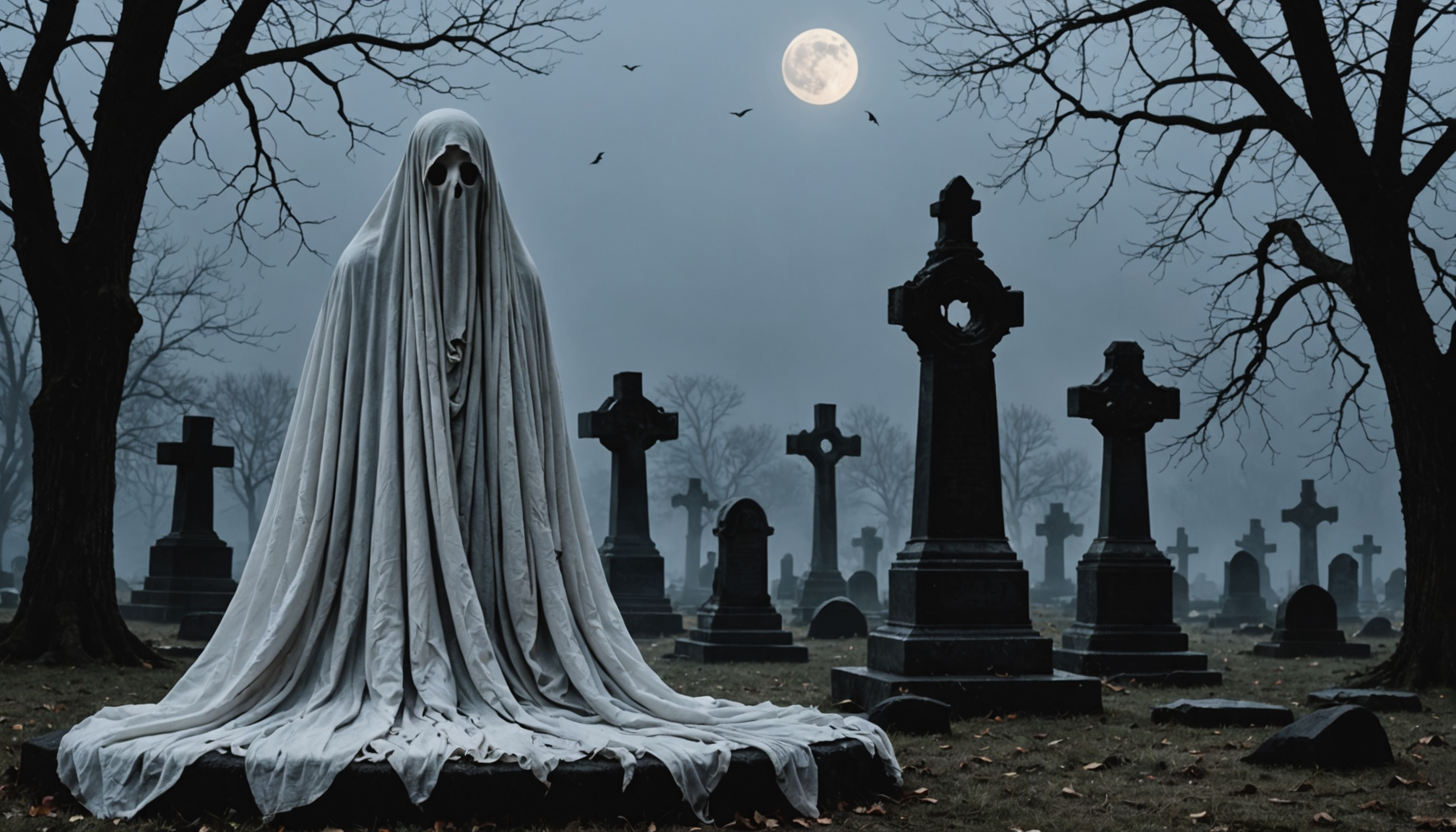
Whimsical Characters: Not all spooky costumes have to be terrifying! Characters like the Grim Reaper or a ghost can be more playful. Drape a white sheet over yourself for a ghostly figure, or get creative by adding fun patterns to the fabric. Pair it with some detailed makeup for spooky yet fun effects. For kids, consider softer characters from beloved stories, like Jack Skellington from “The Nightmare Before Christmas.” A striped suit or a simple black and white outfit with a paper mask can revamp this look with ease.
Themed Household Items: Unleash the creative potential of household items. For instance, gather some paper plates, markers, and string to create a fun Halloween decoration. These can also serve as props for finishing touches on your DIY costume. Think outside the box and incorporate objects from your home, like a broomstick for a witch or kitchen utensils for a quirky chef look gone wrong!
Online platforms like Pinterest and Instagram are treasure troves of inspiration where you can find tutorials and ideas from fellow DIYers. Make sure you search using key terms like “DIY Halloween costumes” or specific characters you are interested in, and don’t hesitate to save your favorite finds. This way, you can keep everything organized for when you’re ready to start crafting your costume.
Lastly, participate in local community events or forums this Halloween season. They often host costume-making workshops, and you might meet fellow enthusiasts who can provide you with more ideas or potential collaborations for group costumes. Sharing tips and tricks with others can enhance your own skills and lead to a unique costume that shines! Remember, the best part of DIY is the personal touch you add, so have fun and embrace the spooky spirit of Halloween!
Essential materials for crafting
To create stunning DIY costumes for Halloween, having the right materials is crucial. Here’s a rundown of essential crafting supplies that will help you bring your imaginative visions to life.
Basic Fabric: Start with a variety of fabrics such as cotton, felt, denim, and tulle. These can serve as the foundational elements for your costumes. Choose dark colors for a more ominous vibe or vibrant tones for playful characters. You might find that some costumes require specific textures, so consider how each fabric interacts with the overall look you envision.
Adhesives: A strong adhesive is a must-have in your crafting arsenal. Fabric glue works wonders for attaching different materials seamlessly, while hot glue guns can provide quick fixes or embellishments when time is of the essence. Make sure to stock up on glue sticks to avoid interruptions during your crafting sessions.
Scissors and Cutting Tools: Sharp scissors are essential for cutting fabric, paper, and plastic. Invest in a pair of fabric scissors that are distinct from your paper scissors to ensure a clean cut. For intricate designs, consider using craft knives or rotary cutters, along with self-healing cutting mats.
Paints and Dyes: Fabric paint, spray paint, or dyes can be used to color your materials or add intricate designs. Utilize stencils for precision patterns, or sponge brushes for an uneven old-world look that can enhance horror-related themes, such as weathered skin for a zombie costume.
Costume Accessories: Accessories play a significant role in transforming a simple outfit into a standout costume. Gather items like wigs, masks, hats, and props. For a witch, a classic pointed hat and broomstick elevate the look, while a vampire might benefit from fake fangs and a dramatic cape.
Makeup Supplies: Face paint, eye shadow, and fake blood are fantastic additions to your crafting toolkit. They allow you to express creativity through your character’s facial features. Practice makeup techniques to achieve different effects, such as dark circles for a ghostly appearance or gory details for a zombie look.
Clothing Items: Don’t overlook your wardrobe! Old clothes can be repurposed into costumes; for instance, a plain white dress can be transformed into a ghost costume with some fabric glue and sheer material. Thrift stores are great places to find unique pieces that can be altered.
Table of Essential Materials
| Material | Purpose |
|---|---|
| Fabric (cotton, felt, denim, tulle) | Base for costumes |
| Adhesives (fabric glue, hot glue) | Join materials together |
| Scissors & cutting tools | Cut fabric and details |
| Paints & dyes | Color and decorate fabrics |
| Costume accessories (wigs, masks) | Enhance overall look |
| Makeup supplies | Add character details |
| Old clothing items | Repurpose into costumes |
When working with these materials, adapting to the costume theme you’ve chosen is key. Research the character’s aesthetic and ensure that your choices reflect that. Gathering these supplies can kickstart your DIY costume journey, making the crafting process enjoyable and efficient. Happy crafting!
Step-by-step instructions for popular looks
Creating popular Halloween looks can be a fun and rewarding experience. Here are step-by-step instructions for transforming basic materials into eye-catching costumes that will scare and delight your friends and family, making them perfect for a haunted house or Halloween party.
Classic Witch Costume
Start with a black dress or a long black skirt paired with a black blouse. To achieve an enchanting look:
- Make or buy a pointed witch hat. You can craft one using stiff black cardboard. Cut the cardboard into a triangle, roll it up, and secure it with tape. Decorate with ribbons or fake spider webs.
- Add a cape for an extra spooky touch. You can use black fabric to create a simple cape by measuring and cutting a rectangle that drapes over your shoulders.
- To complete the outfit, layer with accessories such as a faux broomstick—a sturdy stick wrapped with twine will do the trick—and a cauldron as a prop.
Zombie Costume
To become a fearsome zombie, follow these steps:
- Choose an old outfit that you don’t mind tearing. A patterned shirt and jeans work well.
- With scissors, raggedly tear the clothing to give it that undead look. You can also use sandpaper on the fabric to make it look worn and dirty.
- Next, focus on makeup. Use gray or white face paint to create a pale base, then add dark circles around your eyes with black eyeshadow. Use fake blood—either store-bought or homemade (corn syrup mixed with red food coloring)—to splatter on your clothes and face for an authentic zombie appearance.
Ghost Costume
For a classic ghost look, this is the easiest route:
- Grab an old white sheet. Make sure it’s large enough to drape over your body.
- Cut out eye holes for visibility. They don’t have to be perfectly shaped; a spooky irregular cut can enhance the ghostly vibe.
- Add texture with embellishments like long strands of fabric hanging from the bottom of the sheet to simulate floating movement. To incorporate style, you can splatter the sheet with gray or black paint to give it an aged, eerie look.
Skeleton Costume
To create a simple yet effective skeleton look, you’ll need:
- A black outfit—either a jumpsuit or a set of black leggings and a long-sleeve shirt.
- Use white fabric paint or white tape to draw bones on your outfit. Look for a skeleton diagram online for reference.
- Finish the look with skeleton makeup. Use black and white face paint to create a skull-like appearance on your face. You can also utilize black eyeliner to enhance the hollow look of your eyes.
Tips for Success:
– Always plan your costume ahead of time. Lay out all materials and tools before you begin crafting to ensure a smooth process.
- Watch video tutorials to get an idea of the techniques and steps involved. Many cosplayers share their tips and methods online!
- Engage friends or family in crafting to make it a group activity—sharing ideas can spark creativity, plus it’s more fun!
- Don’t hesitate to improvise. If you find you’re missing a material, think of something else that could work. Creativity can be the solution to costuming dilemmas!
With these step-by-step guides, you’ll be well on your way to creating unforgettable costumes that capture the spirit of Halloween. Get crafty and most importantly, enjoy the process!
Tips for customization and embellishment
To elevate your DIY costumes and add a unique flair, customization and embellishment are essential. This creative process can transform a basic outfit into something truly spectacular and personalized. Here are some effective strategies to customize your costumes, making sure they stand out at any Halloween event or haunted house.
One effective method for customization is through fabric manipulation. You can use techniques like distressing, fraying, or layering different fabrics to give depth to your costume. For example, when creating a zombie look, take an old shirt and use sandpaper to fray the edges, making it appear tattered and worn. For a witch’s cloak, consider adding layers of tulle or lace underneath to create an ethereal effect. Experiment with color gradients by dyeing fabric using sponge techniques to give a weathered look, which can evoke stronger themes of horror.
Embellishments are another crucial aspect of customizing your costume. Sequins, beads, and rhinestones can add sparkle to a ghostly outfit or transform an ordinary dress into something magical. Hot gluing these onto a costume can elevate even simple designs without a significant investment in materials. Use glow-in-the-dark paint or fabric markers to create haunting designs that really pop under low lighting during nighttime events.
Don’t forget about accessories! These elements can help you uphold the theme of your chosen character while adding that personal touch. Consider making or enhancing props to complement your costume. For a Mad Hatter look, create oversized playing cards as accessories or even fashion a whimsical oversized top hat adorned with flowers and feathers. These additions will not only draw attention but also give you a fully realized character.
Makeup techniques can greatly enhance your costume as well. Utilize face paint to create intricate designs, such as spider webs on your face for a spooky effect or aged features with gray and black tones for a historical or ghostly appearance. Adding special effects like scars and bruises with makeup can turn you into a more lifelike creature, further immersing yourself in your character.
A great way to customize costumes for group settings is to establish a common theme or color scheme. For family costumes or group ensembles, each member can choose a character that fits within a broader narrative, such as “The Addams Family” or “Classic Monsters.” Customizing these costumes while adhering to a unified style can enhance the overall aesthetic and make the group instantly recognizable.
“Creativity is intelligence having fun.” – Albert Einstein
Finally, always remember that the most impactful costumes are the ones that reflect your personality and creativity. Don’t shy away from gathering inspiration from various sources, including art, fashion, or nature, which can lead to unexpected but exciting costume ideas. The customization process should be about expressing yourself while having fun, so let your imagination run wild and make your costume uniquely yours!
Ideas for group and family costumes
 Creating group or family costumes can amplify the fun and creativity of Halloween, turning your gathering into a memorable spectacle for all. When considering an ensemble, think about thematic cohesion and the collaborative spirit of costume creation. One of the most popular themes is the classic “Monsters” concept which allows each member to portray a different iconic horror figure—a vampire, zombie, ghost, or witch, each embodying unique traits and aesthetics, yet together forming a cohesive group that celebrates the quintessential aspects of Halloween.
For a more whimsical take, consider a “Fantasy Creatures” theme, where each family member can embody characters from beloved fairy tales or fantastical myths. For example, one can don a vibrant fairy costume, another can channel a powerful wizard, while the youngest might dress as a playful dragon. This theme offers a wide range of options for creativity and personalization, allowing for bright colors, enchanting accessories, and imaginative makeup.
Another delightful avenue is to explore pop culture references. Characters from movies, television shows, or even video games can provide a rich source of inspiration. For instance, a family could dress as the “Incredibles,” each wearing a customized suit in the signature colors and donning capes and masks. Alternatively, a “Harry Potter” theme would allow each member to represent different houses at Hogwarts, complete with house scarves, wands, and personalized robes. This not only brings the costumes to life but also encourages storytelling around beloved themes.
Not to be overlooked is the “Food Group” concept, where each individual can embody a different item, such as a slice of pizza, apple, or banana. You can craft these costumes using cardboard, felt, and vibrant colors for a humorous and lighthearted take on Halloween that’s sure to amuse both kids and adults.
In addition, creating a unique “Around the World” theme can be very educational and fun, where each family member dresses to showcase a different culture or country through traditional clothing. This provides an excellent opportunity for learning about diversity and can spark conversations about global customs and traditions.
When planning costumes, communication is key. Engage everyone in the brainstorming process to ensure the chosen theme resonates with each participant. Also, consider how each costume can be adapted for varying ages and sizes—this helps maintain inclusivity while ensuring that everyone feels comfortable and excited about their role.
Lastly, remember to take group photos, showcasing the creativity and effort put into each costume. This not only celebrates the collective effort but also creates lasting memories that can be cherished for years to come. Embrace the collaborative spirit, as creating costumes together fosters teamwork and strengthens family bonds during this festive season.
- What are some popular themes for group Halloween costumes?
- Popular themes include classic monsters, fairy tale characters, pop culture references like movies or TV shows, food items, and cultural representations. Each theme allows for creativity and fun while encouraging family bonding.
- How can I ensure everyone’s costume matches the chosen theme?
- Communicate with your group or family members during the brainstorming phase. Share ideas, draw inspiration, and adapt costumes to fit everyone’s preferences while maintaining thematic cohesion.
- What materials should I consider for crafting group costumes?
- Basic crafting materials such as fabric, felt, cardboard, and paint are essential. Accessories like wigs, masks, and props can enhance the overall appearance and help define each character.
- How can I personalize each costume in a group setting?
- Encourage each participant to add personal touches to their costumes. This can include unique makeup styles, individual accessories, or decorative elements that reflect their personal interests while adhering to the overall theme.
- What are some tips for making group costumes on a budget?
- Consider DIY costume options using recycled materials or thrift store finds. Set a budget per person, and plan shared materials to minimize costs while enhancing creativity.
- Can I incorporate pets into our Halloween costume theme?
- Absolutely! Incorporating pets can enhance your group costumes. Dress them in matching or complementary outfits that fit the theme, keeping comfort and safety in mind.
- How do I capture the best group photos in costumes?
- Choose a visually appealing location that complements your theme. Use good lighting and consider posing in fun ways that showcase each costume while encouraging laughter and interaction to capture genuine moments.


Leave a Reply